Skip to content

Ages 3 to 18 · Manchester

Counselling for children and teenagers in Manchester.

We work with children aged 3 to 18, many of them autistic or with ADHD, using play, art and conversation. Sessions can be at our clinic, in your child's school, or online.

FreeNo commitmentWe reply within one working day

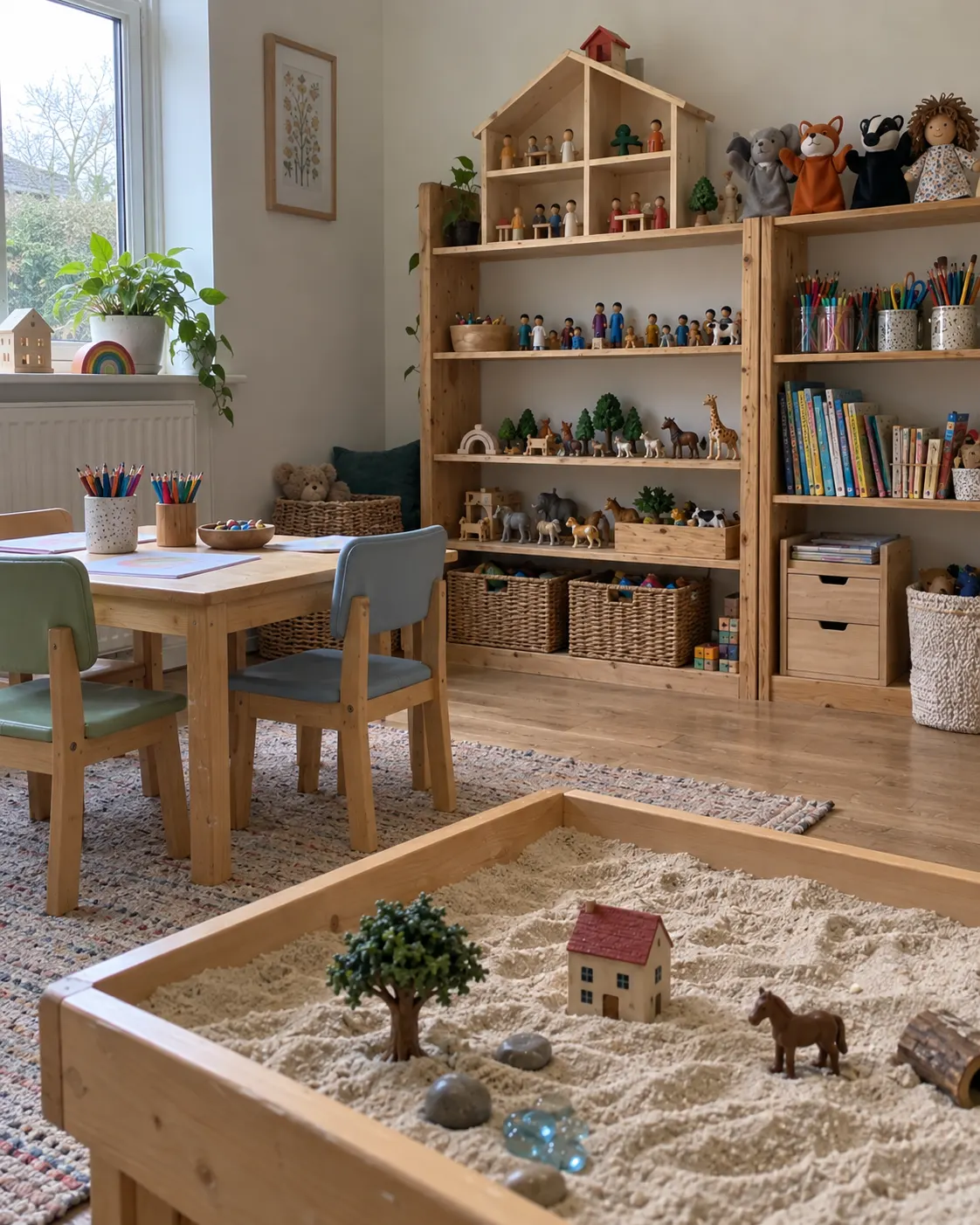
A children's counselling playroom with a sand tray, a small table and chairs, and shelves of figures, animals, puppets and books

Sand tray, clay, puppets, Lego and a lot of paper. Older ones mostly just want to talk.

What you might be noticing

What parents tell us on the first call

A lot of parents ring us unsure whether things are 'bad enough' for counselling. You don't need to have decided anything before you call. These are some of the things we hear most often.

  • Meltdowns after school that seem to come from nowhere
  • Worries that take over at bedtime, in the morning or on the way to school
  • Friendships that keep going wrong
  • Saying things like 'I'm stupid' or 'nobody likes me'
  • Refusing to go to school, or coping all day and falling apart at home
  • Angry outbursts that leave the whole family shaken
  • Going quiet after a death, a divorce or a move
  • A new autism or ADHD diagnosis, and no idea what to do next

If the usual advice hasn't helped

Most parents have tried a lot already

Reward charts, calm-down corners, sitting down for a proper talk. They work for some children. For others, especially younger children and many autistic and ADHD children, they depend on the child being able to explain how they feel, and that's often the one thing they can't do yet.

In counselling your child doesn't have to explain anything. They come at the same time each week and can play, draw, build or talk. Over the weeks the play tells us a great deal, and we use it to help them understand what has been going on and find ways of coping that suit them.
How we help

What sessions involve

We're integrative counsellors, which means we don't stick to one method. Depending on the child, a session might involve the sand tray, drawing, clay, games, stories or simply talking. With teenagers it's usually more conversation, along with practical ways of handling anxiety and anger.

  1. 01

    Play comes first

    Younger children work things out through play. They can show us a worry with a few toy figures long before they can describe it.

  2. 02

    Children feel better about themselves

    As children start to feel understood, parents often see them become calmer and more confident, at home and at school.

  3. 03

    Regular catch-ups with you

    We meet parents regularly to talk about what we're noticing and what might help at home.

  4. 04

    Where it suits your child

    At our clinic, in school with the school's support, or online. Teenagers often prefer video sessions from their own room.

Children we often work with

  • Aged anywhere from 3 to 18
  • Autistic, with ADHD, or you think they might be
  • Struggling with anxiety, anger, low self-esteem or friendships
  • Going through a bereavement, a separation or another big change
  • Easier to see in school than to bring to a clinic
  • Living further away, and happy to have sessions online
  • More comfortable in a language other than English

When we'd suggest somewhere else

  • If your child is in crisis or at immediate risk, call 999 or go to A&E
  • If you need a formal autism or ADHD diagnosis (we can tell you where to go)
  • If your child needs psychiatric care or a medication review through CAMHS or your GP

If we don't think we're the right help for your child, we'll tell you on the first call.

How it works

How starting works

  1. Step 1 · 15 minutes

    Free call

    You tell us what's going on and we'll say honestly whether we think we can help.

  2. Step 2 · 50 minutes

    Parent meeting

    Just you, without your child. We go through their history, what's worrying you and what you'd like to be different.

  3. Step 3 · weekly

    Your child's sessions

    Same day and time each week, at our clinic, in school or online. Times are flexible, including after school. Children settle better when they know what to expect.

  4. Every 6 sessions

    Reviews with you

    We meet again to look at how it's going and decide together what happens next.

Book the free call
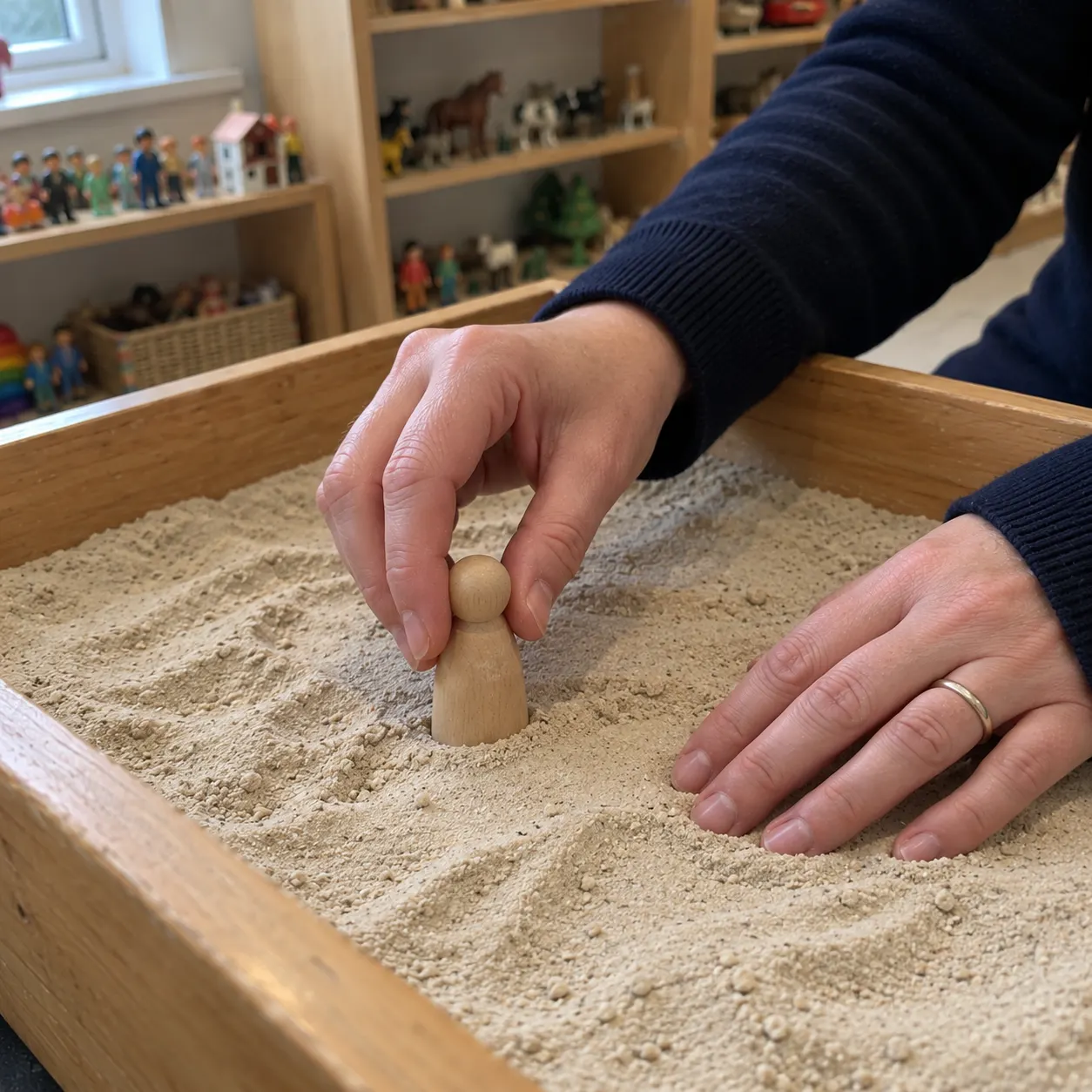
Hands placing a small wooden figure in a sand tray

Our lead counsellor

Gitta Strassman, MBACP

Gitta has been working with children and young people for 25 years, and a large part of that time has been with autistic children and children with ADHD.

She's an integrative counsellor for children and young people, with a Foundation Degree in Children and Young People and specialist training in autism. She is a registered member of the BACP. She has worked with a great many families across Manchester, from all sorts of backgrounds, and she speaks three languages. She's DBS checked, fully insured and has regular clinical supervision. Parents often mention how quickly their child settled with her.

More about Gitta

Fees

Ask us

Fees depend on where sessions happen and how often. We'll go through them with you on the free call.

  • The first 15-minute call is free
  • Sessions last 50 minutes
  • Parent reviews every six sessions are included
  • 48 hours' notice to move a session
  • Ask us about reduced-fee places

Confidentiality

What stays private

Children need to know they can say things without it all being passed on, so we don't repeat what they tell us word for word. We do keep you updated on how things are going and on anything you can do to help at home. If we were ever worried about a child's safety we would act on it, and we explain this to every child, in a way that makes sense for their age, at their first session.

Questions parents ask us

Will you tell me what my child says in sessions?

Not word for word. Children talk more freely when they know it won't all be repeated, so we keep the detail private. You'll still hear how things are going, because we meet with parents regularly to talk about what we're seeing and what might help at home. If we were ever worried about a child's safety, we would act on it, and where we can we'd speak to you first.

My child won't talk about feelings. Will counselling still work?

Yes, and this is one of the main reasons we work through play. Young children, and a lot of autistic and ADHD children, can show us with toy figures or a drawing what they couldn't begin to put into words. Nobody is made to talk.

How many sessions will my child need?

It varies a lot. Many children come for around 12 weekly sessions, some need fewer and some carry on for longer. We review it with you every six sessions or so, so you're never signed up to something open-ended.

Where do sessions take place?

Wherever suits your child best. We have a clinic in north Manchester with a fully equipped playroom. Gitta can also see your child in school, which we arrange with the school's SENCO or pastoral team. And we work online by video with families anywhere in the UK, which often suits teenagers. We'll talk it through with you on the free call.

How much does it cost?

Fees depend on where sessions happen and how often, so we go through them with you on the free call. The call itself costs nothing, and there's no obligation to book anything afterwards.

Do we need a diagnosis or a GP referral?

No, you can contact us directly. Plenty of the children we see are waiting for an assessment or don't have a diagnosis at all. If we think an assessment would be useful, we'll say so and tell you where to go.

Can sessions be in a language other than English?

Gitta speaks three languages, and plenty of children switch between languages without thinking about it. Ask us on the free call and we'll tell you whether we can work in your family's language.

From the blog

Articles for parents

All articles

Start with a free 15-minute call

Tell us what's been happening and ask whatever you like. If we don't think we're the right people to help, we'll tell you who might be.

Book your free call

FreeNo commitmentReply within one working day

Book a free 15-minute call